Greek Meswax: A Bold Typeface Rooted in Classical Elegance
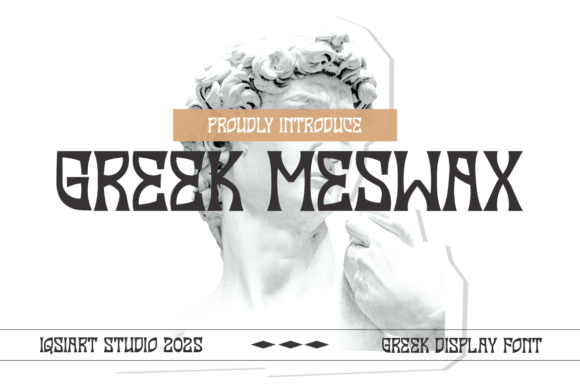
Greek Meswax is more than just a font—it's a visual homage to the grandeur of ancient Greece. Designed with sharp serifs, dramatic curves, and a bold artistic flow, this display font captures the essence of classical architecture and traditional lettering. Whether you're crafting a book cover, designing a brand identity, or curating a museum exhibit, Greek Meswax brings a sense of historical richness and creative flair that few typefaces can match.
Why Greek Meswax Stands Out
Unlike standard sans-serif or modern serif fonts, Greek Meswax draws inspiration from the ornate inscriptions found on ancient Greek temples and monuments. Its letterforms are sculpted with intention, featuring strong vertical strokes and sweeping serifs that echo the symmetry and balance of classical design. This makes it ideal for projects that demand visual impact and cultural depth.
Designers who seek to evoke a mythological or historical atmosphere often turn to Greek Meswax for its ability to convey gravitas and elegance. Its dramatic presence works especially well in limited text applications such as titles, logos, and headlines, where legibility isn’t the only priority—expression is.
How Different Users Experience Greek Meswax
Depending on your background and goals, your interaction with Greek Meswax may vary. Here’s how different audiences might approach and evaluate this distinctive typeface:
- Beginners: New designers or hobbyists may find Greek Meswax a bit overwhelming at first due to its ornate nature. However, it's a great way to explore typography's expressive potential. For simple projects like social media graphics or personal art prints, it can be used effectively with minimal design experience.
- Professional Designers: For seasoned creatives, Greek Meswax is a versatile tool for branding or editorial design. Its unique character makes it a standout choice for logos, especially those tied to heritage, culture, or storytelling. It pairs well with simpler fonts, allowing it to shine without overpowering a layout.
- Writers and Publishers: Authors working on fantasy novels or historical fiction often look for fonts that reflect the tone of their work. Greek Meswax fits perfectly on book covers or chapter headings, offering a visual cue that aligns with the narrative’s ancient or mythological themes.
- Educators: Teachers and museum curators can use Greek Meswax to create visually engaging educational materials. Whether designing infographics about ancient civilizations or crafting exhibit signage, the font helps reinforce the subject matter with a stylistic nod to history.
- Entrepreneurs and Small Business Owners: Brands rooted in tradition—like artisanal food shops, heritage fashion lines, or boutique museums—can benefit from Greek Meswax’s strong visual identity. It communicates authenticity and craftsmanship, especially when used in logos or packaging design.
Practical Uses Across Industries
While Greek Meswax is a display font best used for short bursts of text, its applications are wide-ranging:
- Fantasy and Mythology Book Covers: Authors and cover designers in the fantasy genre frequently use Greek Meswax to evoke a sense of timelessness and epic storytelling. It complements artwork featuring gods, heroes, and ancient landscapes.
- Historical Branding: Businesses that want to emphasize their roots in tradition—such as olive oil producers, classical music ensembles, or historical tour companies—can use this font to enhance their visual identity.
- Museum and Cultural Exhibits: Curators and designers working on exhibit materials often choose Greek Meswax for its museum-ready aesthetic. It aligns well with classical themes and helps create a cohesive visual language.
- Wedding Invitations and Event Design: Couples planning a Grecian-themed wedding might use this font in their invitations or décor to add a touch of elegance and historical charm.
Key Considerations When Using Greek Meswax
Before incorporating Greek Meswax into your project, consider the following factors:
- Legibility: Due to its decorative nature, Greek Meswax is best reserved for headings and titles. Avoid using it for long paragraphs or body text where clarity is essential.
- File Format and Compatibility: Ensure the font supports the necessary glyphs and characters for your language or special symbols. Most modern design software supports it, but always check before purchase.
- Cost and Licensing: Depending on the provider, Greek Meswax may come with a commercial license or require additional permissions for business use. Always verify the terms to avoid legal issues later.
- Pairing with Other Fonts: To maintain balance in your design, pair Greek Meswax with clean, minimalist fonts like Helvetica or Garamond. This contrast ensures the boldness of Greek Meswax stands out without overwhelming the viewer.
Is Greek Meswax Right for You?
If your project calls for a font that blends historical elegance with creative expression, Greek Meswax could be the perfect choice. It’s especially well-suited for those who want to connect their visual identity with the legacy of ancient Greece. However, it’s not a one-size-fits-all solution. Users who prioritize readability over aesthetics or who work with minimalist design styles may find it too ornate for their needs.
Consider your audience, the tone of your project, and how much visual weight you want your typography to carry. If you’re designing something that should feel timeless, dramatic, and culturally rich, Greek Meswax deserves a place in your toolkit.