Hello Lovely: A Stylish Script Font for Modern Design Projects
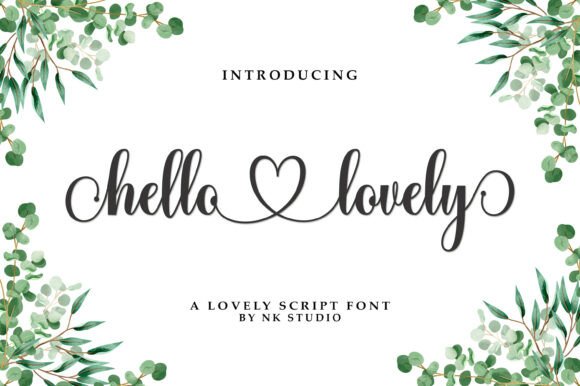
When it comes to selecting the right font for a design project, visual appeal and readability are both critical. Hello Lovely is a stylish script font that blends artistic flair with contemporary elegance. It stands out for its fluid brush strokes, dynamic curves, and expressive letterforms that mimic the look and feel of hand-painted calligraphy. This makes it a compelling choice for designers who want to add a touch of sophistication without sacrificing a modern aesthetic.
What Sets Hello Lovely Apart
Unlike many standard script fonts that lean heavily into traditional calligraphy, Hello Lovely introduces a modern twist that makes it versatile for a variety of design applications. Its natural flow and vibrant character allow it to perform well in both digital and print formats. The font’s design strikes a balance between organic, hand-crafted elements and clean, intentional strokes that ensure legibility and visual impact.
One of the defining features of Hello Lovely is its ability to convey personality. Whether used in branding materials or social media graphics, it adds a creative and expressive dimension that more generic fonts often lack. This expressive quality makes it particularly effective in projects that aim to evoke warmth, elegance, or artistic sophistication.
Comparing Hello Lovely to Similar Fonts
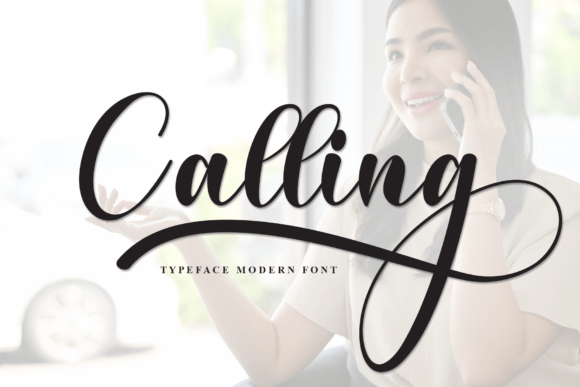
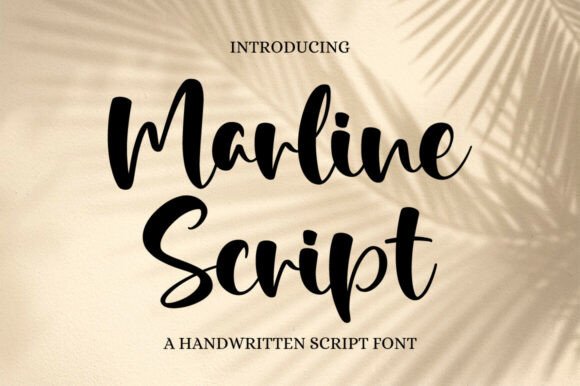
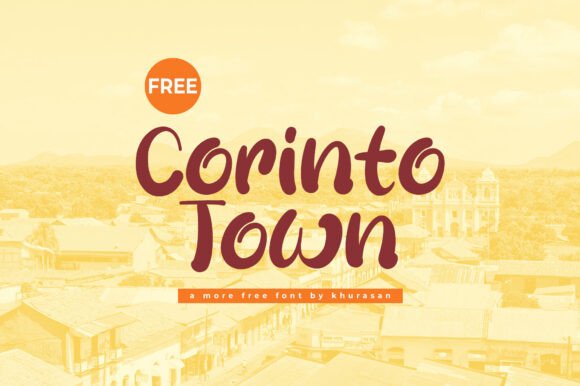
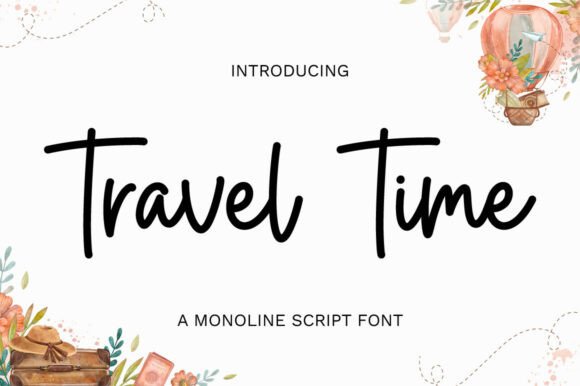
When exploring script fonts, designers often consider a range of options that vary in style, readability, and application suitability. Some fonts lean toward minimalist sans-serif styles, while others emphasize dramatic flourishes. Hello Lovely falls into a category that emphasizes fluidity and artistic expression without overcomplicating the letterforms.
- Classic Calligraphy Fonts: These often have a more formal appearance and may feel outdated for modern branding. Hello Lovely, by contrast, offers a fresher, more approachable look.
- Brush Script Fonts: While many brush-style fonts aim for a similar hand-painted effect, Hello Lovely maintains a level of refinement that makes it suitable for both casual and upscale applications.
- Minimalist Script Fonts: These prioritize simplicity and readability but may lack the expressive character that Hello Lovely brings to the table.
Strengths and Limitations of Hello Lovely
Like any design resource, Hello Lovely has its strengths and tradeoffs. Understanding these can help designers determine whether it aligns with their specific project needs.
Key Strengths:
- Artistic Appeal: The font’s expressive strokes and elegant curves make it ideal for projects that require a creative touch.
- Versatility: It works well across multiple platforms, including logos, packaging, invitations, and digital graphics.
- Modern Calligraphy Aesthetic: It bridges the gap between traditional calligraphy and contemporary design sensibilities.
Consider the Tradeoffs:
- Readability in Small Sizes: Due to its decorative nature, Hello Lovely may not be the best choice for body text or small-sized headlines.
- Formality Level: While elegant, it may not convey the same level of formality as more structured script fonts in certain contexts like legal or academic materials.
Best Use Cases for Hello Lovely
Certain design contexts are particularly well-suited for Hello Lovely. It shines brightest when used in projects that benefit from a warm, artistic tone. Here are some common applications where this font excels:
- Wedding Invitations: Its elegant curves and flowing style make it a popular choice for romantic and celebratory designs.
- Brand Logos: For businesses that want to project a friendly yet refined image, Hello Lovely can serve as a strong typographic foundation.
- Social Media Graphics: The font’s visual appeal helps text stand out in fast-scrolling feeds, especially when used in quotes or call-to-action elements.
- Packaging Design: Whether for boutique products or artisanal brands, Hello Lovely adds a distinctive and memorable visual element.
When to Consider Alternatives
While Hello Lovely is a strong contender in the script font category, there are situations where a different font might be more appropriate. If the project demands:
- High Readability for Long Text: In such cases, a serif or sans-serif font may be more effective than a decorative script.
- Ultra-Formal Presentation: A traditional serif font or a more restrained script might better align with the intended tone.
- Extreme Scalability: If the text needs to be legible at very small sizes or in low-resolution environments, a simpler font might perform better.
It’s worth exploring other options in the broader font ecosystem to ensure the best fit for the project’s goals.
Making the Right Choice
Selecting the right font is about more than aesthetics—it’s about matching the typographic tone to the message and audience. Hello Lovely offers a unique blend of artistry and modernity that can elevate a design when used thoughtfully. However, it’s important to weigh its visual strengths against the practical demands of the project.
Designers who appreciate hand-crafted aesthetics and want a font that feels both personal and polished will likely find Hello Lovely to be a valuable addition to their toolkit. For others, especially those working on highly technical or minimalist designs, alternative fonts may provide a better balance of form and function.
In the end, the decision should be guided by the specific context in which the font will be used. Experimenting with mockups, comparing sample texts, and considering the audience’s expectations can all contribute to a more informed and effective choice.