Royalty Free: A Versatile Font for Creative and Commercial Design
What Makes Royalty Free Stand Out?
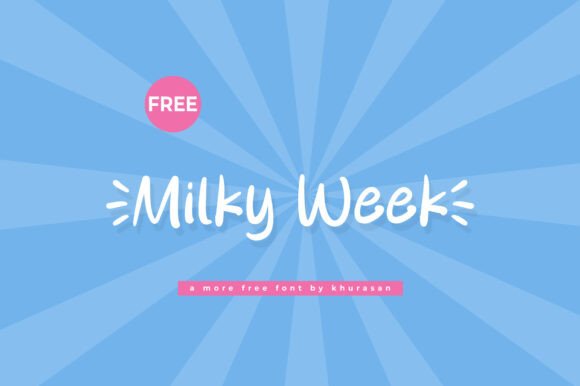
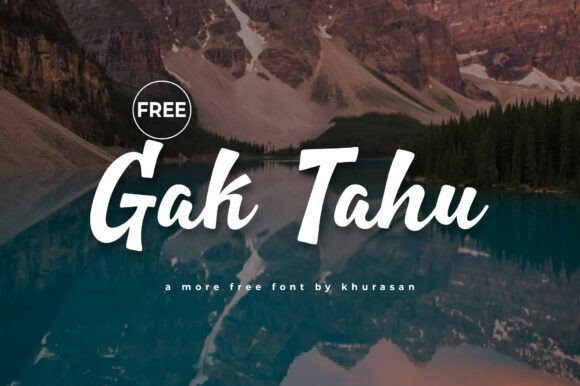
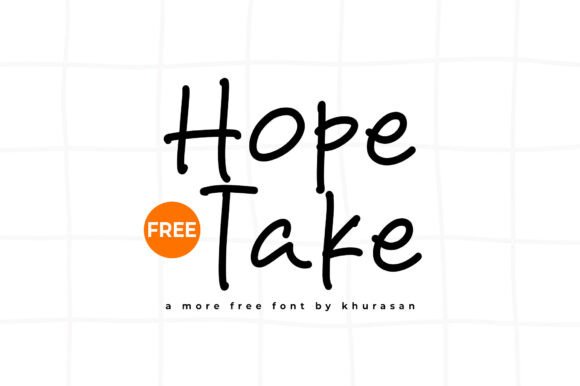
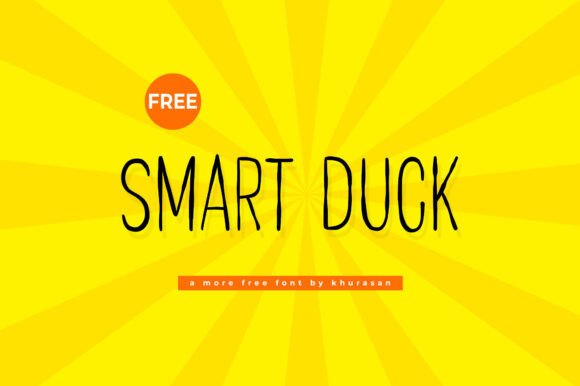
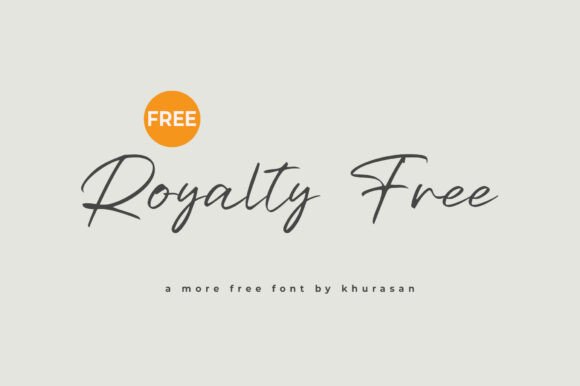
Royalty Free is a modern handwritten script font that mimics the fluidity and warmth of natural handwriting. Its elegant monoline strokes and slightly slanted letterforms offer a clean, flowing style that feels both personal and professional. Unlike many decorative fonts that sacrifice readability for flair, Royalty Free balances aesthetics with clarity, making it a go-to choice for designers across industries.
Where Can You Use Royalty Free?
This font shines in a variety of creative applications. Whether you're designing a brand identity, crafting social media visuals, or preparing packaging for a new product, Royalty Free adds a touch of authenticity without overwhelming the viewer. It's particularly effective when you want to convey sincerity, creativity, or a handcrafted feel.
- Branding: Small businesses and startups often use Royalty Free to create a warm, approachable brand image. It works especially well for lifestyle brands, wellness services, and artisanal products.
- Social Media: From quote graphics to promotional posts, this font helps content stand out in crowded feeds while maintaining a clean, modern aesthetic.
- Product Packaging: Handmade soap labels, boutique coffee bags, and organic skincare packaging benefit from the font’s natural, human feel.
- Invitations: Wedding invites, baby showers, and event announcements gain a personal, elegant touch when set in Royalty Free.
Who Benefits Most from Royalty Free?
Designers, marketers, and small business owners who want to infuse personality into their visuals without sacrificing professionalism find Royalty Free especially useful. It's also a favorite among content creators who want to maintain a consistent visual voice across platforms.
For example, a lifestyle blogger might use Royalty Free for blog headers and Pinterest graphics to create a cohesive, inviting aesthetic. Meanwhile, a local bakery could use it on packaging and social media to communicate a sense of warmth and craftsmanship.
Industries That Can Leverage This Font
Royalty Free adapts well to multiple niches. Here are a few sectors where it can make a real impact:
- Wedding & Event Planning: The font’s elegant script style is ideal for elegant, romantic designs.
- Wellness & Self-Care: Brands in this space often use Royalty Free to project calm, authenticity, and mindfulness.
- Etsy Sellers & Makers: For those selling handmade goods, this font helps reinforce the artisanal quality of their products.
- Health & Beauty: From skincare labels to Instagram stories, Royalty Free brings a clean, modern femininity that appeals to a wide audience.
Practical Tips for Using Royalty Free
While Royalty Free is highly versatile, there are a few considerations to keep in mind when incorporating it into your design projects:
- Pair It Wisely: Because of its script nature, it pairs best with simple sans-serif or serif fonts. Try combining it with a clean font like Montserrat or Lato for balance.
- Limit Its Use: While it’s beautiful, Royalty Free should be used for headlines, titles, or short text blocks. Avoid using it for long paragraphs where readability might suffer.
- Test at Different Sizes: Always preview the font at the intended display size. It works best at medium to large sizes, especially in digital formats.
- Check Licensing: Make sure you have the appropriate license for your intended use, especially if you're applying it in commercial products or client work.
Strengths That Make It Worth Considering
Royalty Free stands out for its ability to bridge the gap between casual and refined. It’s not overly formal like calligraphy fonts, nor is it too casual like many brush scripts. This balance makes it suitable for both digital and print use, and it holds up well in minimalist designs where every element counts.
Another major strength is its legibility. Many script fonts sacrifice clarity for style, but Royalty Free maintains strong character recognition even at a glance. This makes it effective for branding materials, signage, and online graphics where quick readability matters.
Potential Limitations to Be Aware Of
Despite its many strengths, Royalty Free isn’t a one-size-fits-all solution. Because of its stylized script nature, it may not be the best fit for highly formal or technical contexts. Government websites, legal documents, and academic publications typically benefit from more traditional typefaces.
Also, while it works well for short text, extended use in long-form content can strain the reader’s eye. Use it strategically to highlight key messages rather than as a primary body font.
Real-World Examples That Show Its Value
One popular use case is in Instagram story templates. Designers often incorporate Royalty Free for captions and highlights because it adds a personal, curated look that feels intentional yet effortless. Another example is in minimalist logo design—especially for wellness brands that want to project both professionalism and a sense of calm.
In print, many indie authors have used Royalty Free in book covers for memoirs, poetry collections, and self-help guides. It helps create a sense of intimacy and trust, which is crucial for genres that rely heavily on emotional connection.
Final Thoughts on Choosing Royalty Free
If you're looking for a font that blends elegance with approachability, Royalty Free is a strong contender. It's particularly effective when you want to convey authenticity, creativity, or a handcrafted aesthetic. Whether you're designing a logo, crafting social media content, or putting together product packaging, this font can elevate your visuals with minimal effort.