The Rise of Casual and Creative Fonts: Why Writing is Captivating Designers and Entrepreneurs
In today’s visually driven digital landscape, typography plays a pivotal role in shaping brand identity, user experience, and emotional resonance. Among the latest trends in typography, the Writing font has emerged as a standout choice for creatives and professionals seeking to infuse warmth, personality, and authenticity into their designs. With its round, playful strokes and charming hand-drawn aesthetic, Writing is more than just a font—it’s a reflection of evolving design sensibilities and consumer expectations.
What is the Writing Font?
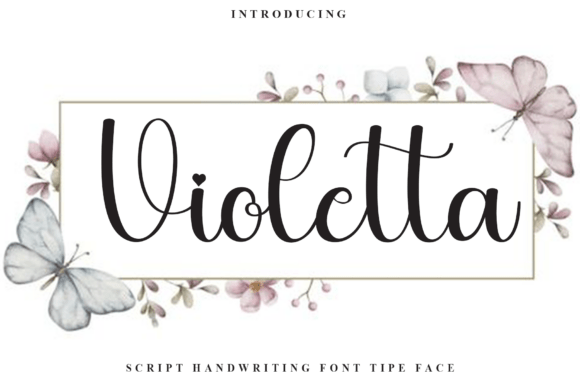
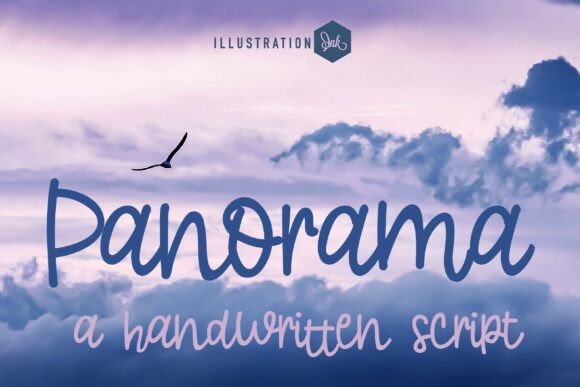
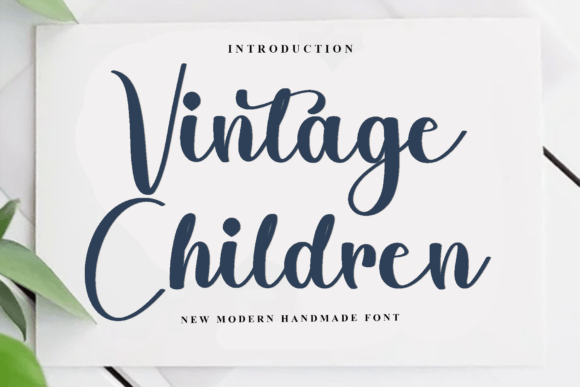
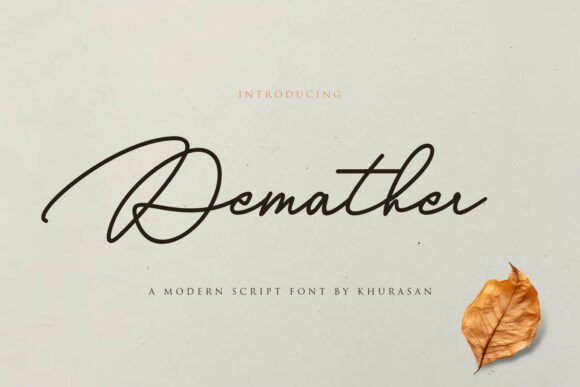
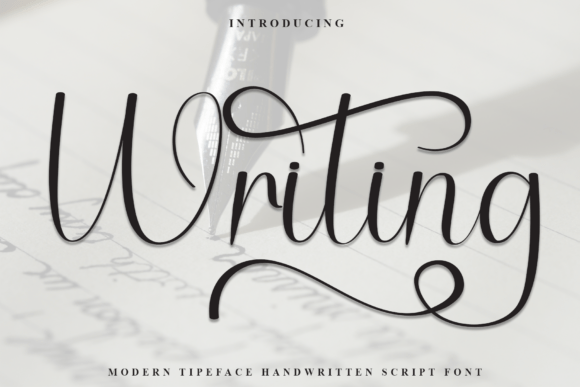
The Writing font is a casual and creative typeface designed to evoke a sense of warmth and friendliness. Its soft, rounded edges and organic, hand-crafted appearance make it ideal for projects that require a personal touch. Unlike traditional serif or sans-serif fonts that lean toward formality or neutrality, Writing exudes a relaxed and approachable vibe, making it particularly effective in contexts where emotional connection is key.
Designed with versatility in mind, this font includes standard PUA-encoded glyphs, ensuring seamless integration across a wide range of design software such as Adobe Photoshop, Adobe Illustrator, CorelDRAW, and Canva. This compatibility makes it accessible to both seasoned designers and newcomers alike, supporting a smooth workflow across personal and professional creative projects.
Why the Writing Font Fits Today’s Design Landscape
The growing popularity of Writing aligns with broader trends in digital design, branding, and communication. As businesses and individuals strive to stand out in crowded markets, there’s an increasing demand for design elements that feel authentic, human, and emotionally engaging. Typography, once seen as a background element, now plays a central role in storytelling and brand voice.
- Personalization: Consumers today expect brands to speak to them on a personal level. The Writing font, with its informal and handcrafted look, supports this shift by making content feel more intimate and relatable.
- Visual Storytelling: In the age of social media and digital content, visuals are more important than ever. Writing enhances visual narratives by adding a sense of spontaneity and creativity.
- Brand Humanity: Brands are increasingly adopting human-centric design strategies. The Writing font supports this approach by making messaging feel less corporate and more conversational.
Who’s Paying Attention—and Why
From entrepreneurs launching new brands to marketers crafting social media campaigns, a wide range of professionals are turning to the Writing font for its unique aesthetic and emotional appeal. Here’s a closer look at who’s using it and why it’s resonating:
- Creative Entrepreneurs: Small business owners and solopreneurs often rely on design to communicate their brand personality. Writing helps them create a friendly, approachable image without the need for complex design skills.
- Social Media Marketers: Platforms like Instagram and Pinterest thrive on visual engagement. The Writing font adds a playful, eye-catching element to graphics, making posts more memorable and shareable.
- Freelance Designers: With its compatibility across major design tools, Writing is a go-to font for designers who need to deliver high-quality, emotionally resonant work quickly and efficiently.
- Event Planners and Wedding Designers: The font’s whimsical and inviting nature makes it ideal for invitations, banners, and event signage, where warmth and charm are essential.
Changing Design Preferences and the Need for Emotional Connection
As digital communication becomes more fast-paced and visually saturated, audiences are increasingly drawn to content that feels genuine and emotionally engaging. The rise of minimalism in the past decade has given way to a more expressive, eclectic design style—one that embraces imperfection, personality, and playfulness.
The Writing font fits perfectly into this evolving design paradigm. It reflects a growing desire for authenticity and human connection in a world that often feels overly curated and digital. Designers and marketers are no longer just communicating information—they’re crafting experiences. Fonts like Writing help them do that more effectively by bridging the gap between visual appeal and emotional resonance.
Practical Applications Across Industries
One of the most compelling aspects of the Writing font is its versatility. While it’s especially well-suited for casual and creative contexts, it can be adapted for use across a wide range of industries and applications:
- Brand Identity: Startups and small businesses can use Writing in logos, packaging, and marketing materials to project a friendly, approachable image.
- Social Media Graphics: Content creators and influencers can enhance their visual storytelling by using Writing in quotes, captions, and promotional images.
- Print-on-Demand Products: Merchandise like t-shirts, mugs, and notebooks benefit from the font’s charm and readability, making products more appealing to consumers.
- Personal Projects: Whether designing a birthday card or a personal blog, the Writing font adds a unique, handcrafted feel that elevates the final product.
Connecting Writing to Larger Design Trends
The popularity of Writing is not an isolated phenomenon—it reflects broader shifts in how we communicate and connect in the digital era. Here are a few larger developments that make this font particularly relevant today:
- The Rise of Remote Work and Digital Collaboration: With more people working remotely and communicating online, there’s a greater emphasis on creating digital content that feels personal and engaging. Fonts like Writing help bridge the emotional gap in virtual communication.
- The Growth of DIY Design: Thanks to platforms like Canva and Adobe Express, more non-designers are creating professional-quality visuals. The intuitive, approachable nature of Writing makes it an ideal choice for this growing demographic.
- The Shift Toward Authenticity in Branding: Consumers are increasingly drawn to brands that feel real and relatable. Typography plays a key role in conveying that authenticity, and Writing offers a perfect visual representation of that ethos.
Conclusion: Why Writing is More Than Just a Font
In a world where attention spans are short and visual communication is paramount, typography like the Writing font offers a powerful way to stand out and connect. It’s not just about aesthetics—it’s about creating a tone, a mood, and a message that resonates with audiences on a deeper level.
Whether you're a marketer crafting a social media campaign, a designer working on a client project, or an entrepreneur building a brand, the Writing font provides a versatile and emotionally engaging tool to elevate your creative output. As design continues to evolve toward more human-centered and expressive forms, fonts like Writing will play an increasingly important role in shaping how we communicate, connect, and create.