Makebond: A Dynamic Brush Font for Creative Design Projects
When it comes to making a visual impact through typography, the right font can transform a simple message into a compelling story. Makebond stands out as a modern brush font that blends personality with versatility, making it an excellent choice for designers and creators across industries. Whether you're working on a logo, a book cover, or a promotional banner, Makebond offers a fresh, handcrafted aesthetic that elevates your work without overpowering it.
What Makes Makebond Unique
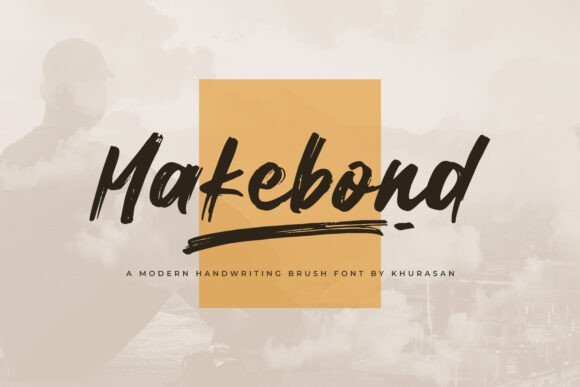
At its core, Makebond is designed to mimic the natural flow and texture of brush lettering. Unlike rigid, computer-generated fonts, it carries the warmth and imperfections of human touch. This subtle organic quality helps create a more authentic and relatable visual tone, especially in branding and marketing materials where connection matters.
The font features soft edges, dynamic strokes, and a slightly irregular rhythm that gives it a lively, expressive character. It’s carefully balanced to maintain legibility while offering a distinctive style that works well in both small and large formats. Whether used as a headline or a supporting element, Makebond maintains its visual appeal without sacrificing readability.
Why Designers Reach for Makebond
Designers often look for fonts that offer both personality and flexibility. Makebond fits that need perfectly. Its quirky yet professional appearance makes it ideal for a wide variety of applications—from branding and packaging to editorial design and digital marketing. It pairs well with clean sans-serif fonts, allowing for a modern contrast that enhances visual hierarchy without clutter.
- Expressive yet readable: Works well in both print and digital formats.
- Highly adaptable: Suits everything from wedding invitations to product labels.
- Professional finish: Offers a polished look without losing its handmade charm.
Real-World Applications of Makebond
Let’s explore how Makebond performs in different design environments and why it’s a valuable asset for creators across disciplines.
Personal and Creative Projects
For hobbyists, bloggers, or small business owners, Makebond adds a personal touch to custom designs. Think greeting cards, social media graphics, or personalized merchandise. Its expressive nature makes it perfect for DIY branding kits or custom illustrations that need to stand out with minimal effort.
If you're creating a blog header or a Pinterest graphic, Makebond can help your content feel more inviting and visually engaging. The font’s brush texture brings warmth to digital spaces, helping your visuals cut through the noise of generic design elements.
Professional and Commercial Use
Businesses and entrepreneurs can use Makebond to craft memorable logos, product packaging, and promotional materials. Its unique character helps brands appear more approachable while maintaining a professional edge. For example, a boutique coffee shop might use Makebond in its logo and signage to communicate craftsmanship and authenticity.
Marketers can also benefit from Makebond’s ability to draw attention without being overwhelming. In email headers, digital ads, or landing pages, it adds a humanized touch that resonates with audiences and supports brand storytelling.
Educational and Publishing Contexts
Makebond’s versatility extends to educational design, where it can be used in book covers, teaching materials, and presentation slides. Its legibility and expressive style make it a great fit for children's books, creative writing workshops, or educational infographics that aim to be both informative and engaging.
Publishers and editors can use it to create magazine covers or special edition book jackets that stand out on shelves or digital storefronts. It gives a modern, handcrafted feel that appeals to readers looking for something different from standard serif or sans-serif fonts.
How to Use Makebond Effectively
While Makebond is versatile, it's best used as a display or headline font rather than for body text. Here are a few practical tips to help you make the most of it:
- Pair it wisely: Combine Makebond with simple, clean fonts like Helvetica or Montserrat to maintain balance and readability.
- Use it for emphasis: Apply it to titles, logos, or key messages rather than long paragraphs.
- Adjust spacing: Kerning and letter spacing can enhance its visual impact, especially in large-format designs.
- Test in context: Preview Makebond in your final design environment to ensure it maintains clarity and style.
Choosing the Right Font for Your Project
When selecting a font like Makebond, consider the tone and purpose of your design. If your goal is to convey professionalism with a touch of creativity, Makebond is an excellent fit. However, if your project requires strict formality or technical precision, a more traditional typeface may be better suited.
Always test the font in your actual design before finalizing. Check how it performs in different sizes, on various backgrounds, and across platforms. This ensures your design remains consistent and effective across print and digital mediums.
Final Thoughts
In today’s design landscape, standing out often comes down to the smallest details—and typography is one of the most powerful tools at your disposal. Makebond offers a unique blend of artistic flair and practical usability that makes it a go-to choice for a wide range of creative and commercial projects.
Whether you're building a brand identity, designing a book cover, or crafting a digital campaign, Makebond can help your message resonate more deeply with your audience. By choosing a font that aligns with your visual goals and enhances readability, you’re not just selecting a typeface—you're shaping the way your content is perceived.